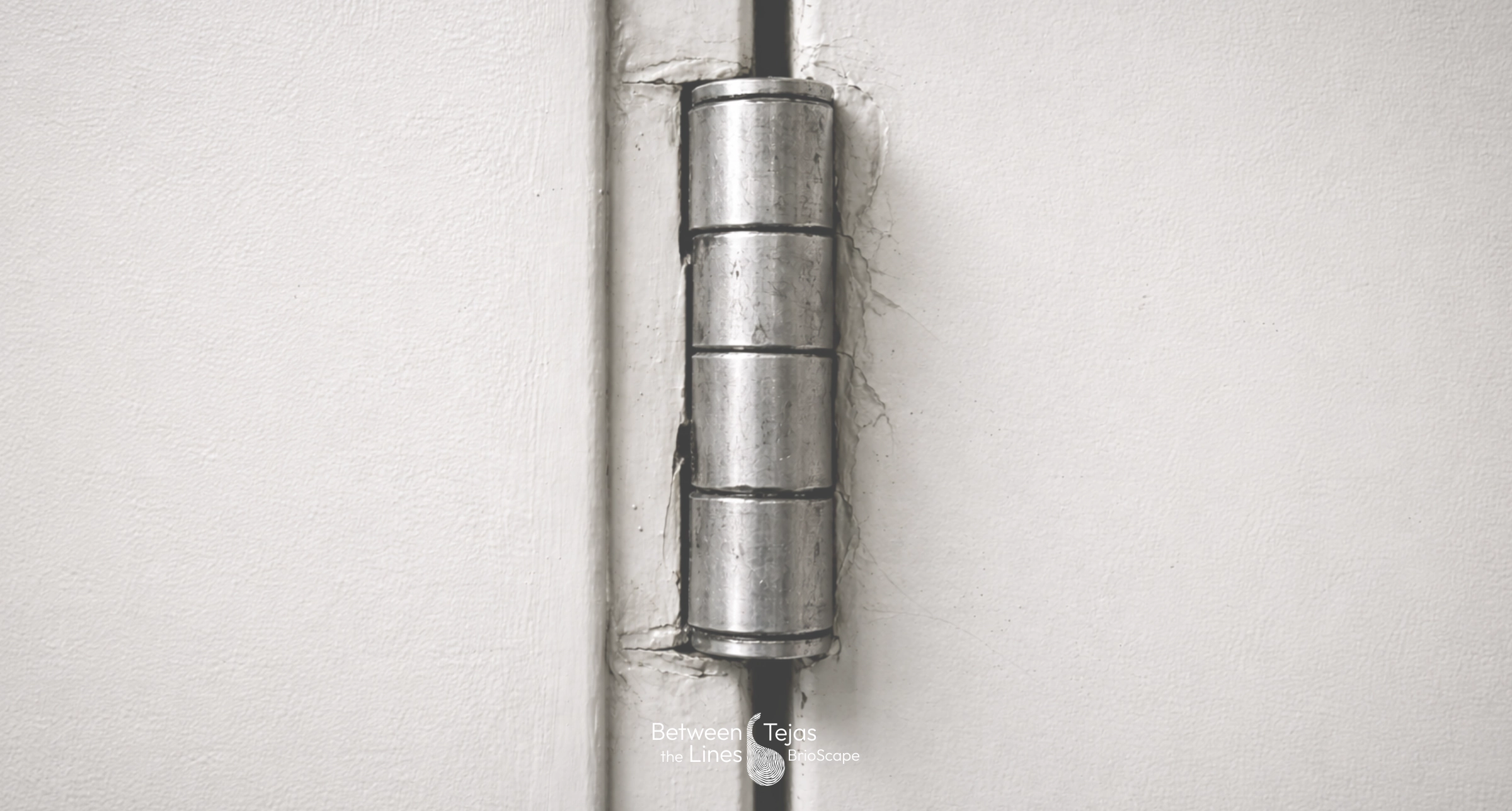
Holding Without Control
Between the Lines — a study in what holds

Some work exists before it is assigned.
It appears quietly, in the gaps between decisions. In the moments where something would fail if no one stepped in.
No one asks for it. No authority grants it.
It is carried because someone notices.
Outcomes are still expected. Standards still apply. Consequences still arrive.
But control sits elsewhere.
Decisions are made upstream. Limits are set without consultation. The weight travels downward.
Progress happens within constraint.
Adjustment becomes a skill. Not because it is preferred, but because it is required.
Silence is often mistaken for agreement here. It isn’t.
It’s restraint shaped by position. Speaking doesn’t change the structure. So the work continues instead.
Loose ends are tied. Gaps are covered. Small failures are prevented before they surface.
Not for recognition. Not to be seen.
Just to keep things from breaking.
Over time, responsibility shifts inward.
What began as situational becomes personal. What was once “someone needs to handle this” turns into “I will handle this”.
No one announces the transition. It simply settles.
The work becomes assumed. Not acknowledged. Not questioned.
There is tension here, but not revolt.
Most people don’t leave. They adjust.
They learn how to carry weight without leverage. How to maintain standards they didn’t set. How to protect outcomes they don’t control.
Systems rarely hold because of authority alone.
They hold because someone, somewhere, is taking responsibility without permission to change the conditions.
This kind of holding doesn’t feel heroic. It doesn’t feel fair.
It just feels necessary.
And quietly, day after day, it is what keeps things intact.